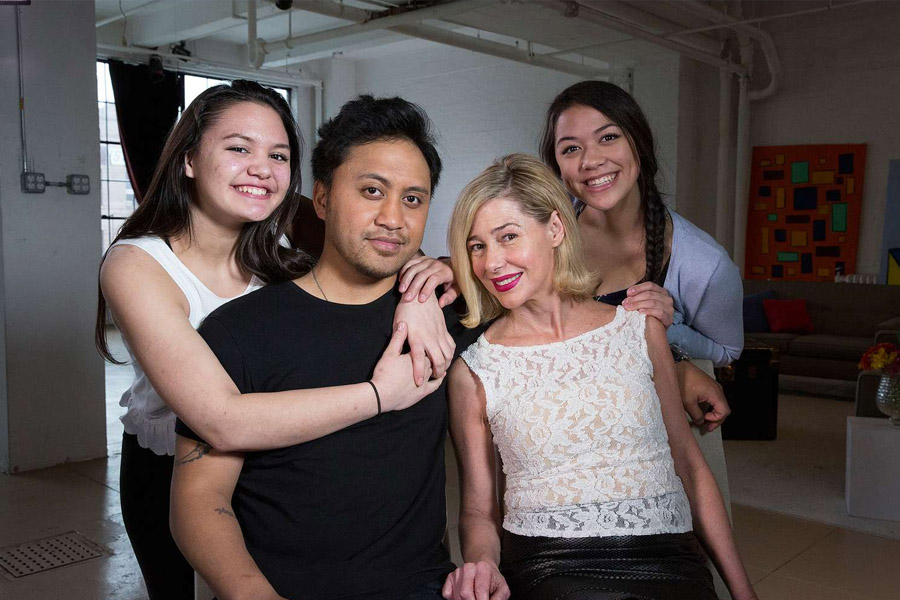
Basic Information
| Item | Detail |
|---|---|
| Full name | Georgia Fualaau |
| Birth | October 1998 (born in Washington state while her mother was incarcerated) |
| Parents | Mary Kay Letourneau (July 30, 1962–July 8, 2020) and Vili Fualaau (born June 26, 1983) |
| Siblings | Audrey Lokelani Fualaau (born May 1997); half-sister Sophia Fualaau (born c.2019) |
| Child(ren) | 1 son (born January 12, 2024) |
| Residence (as of 2025) | Seattle area, Washington state |
| Public profile | Low — selective social media presence; occasional family photos and milestone posts |
| Notable family history | Born during a period of intense media scrutiny tied to her parents’ controversial relationship and legal history |
Early Years: Born into a Headline
Georgia entered the world in October 1998 under circumstances that would later become part of American cultural memory. She was born in a Washington corrections facility while her mother was serving time; her father, a teenager at the time, and his mother assumed primary caregiving duties. Numbers matter in this story: Georgia was born roughly one year after her older sister Audrey (May 1997), and the family’s public arc began before she could speak.
Those first years were shaped less by normal childhood metrics than by logistics and steadfast caretaking. A 14-year-old father, a devoted grandmother, and a small community became Georgia’s village. The media glare that accompanied her family did not translate into a youthful acting career or public campaigning; instead it cast a long shadow Georgia learned to step around. She spent formative years in Des Moines, Washington, and later moved with her family after her mother’s release.
Family Portrait: Names, Dates, and Roles
The Fualaau–Letourneau family reads like a ledger of relationships marked by specific dates and marked events. The parental union—formalized in a 2005 marriage—produced two daughters and a complicated public narrative. Key family figures include:
- Mary Kay Letourneau (July 30, 1962–July 8, 2020): mother; central to the family’s public notoriety. Died at age 58 in 2020.
- Vili Fualaau (born June 26, 1983): father; Samoan-American artist and musician, born 1983; primary caregiver for Georgia and Audrey during their mother’s incarceration; became a grandfather in January 2024.
- Audrey Lokelani Fualaau (born May 1997): older sister; a working makeup artist and, as of June 2025, mother to a son.
- Sophia Fualaau (born c.2019): half-sister; youngest of the family and part of blended household gatherings.
Family relationships have been described publicly as close and supportive. The sisters have repeatedly appeared together in selective social posts, and milestone announcements—pregnancy reveals, birth photos—have been shared quietly rather than paraded. In January 2024 Georgia became a mother; her son’s arrival is one of the most concrete personal details available about her adult life.
Timeline Table: Milestones and Dates
| Year | Milestone |
|---|---|
| 1997 | Audrey born (May 1997) amid the unfolding legal case involving her mother |
| Oct 1998 | Georgia born in Washington corrections facility |
| 2004 | Release of Georgia’s mother and family reunification |
| 2005 | Parents married (May 2005) |
| 2015 | Television interviews and profiles featuring teen Georgia and Audrey |
| July 8, 2020 | Death of Mary Kay Letourneau (age 58) |
| Aug 2023 | Public pregnancy announcement for Georgia (shared by sister Audrey) |
| Jan 12, 2024 | Georgia gives birth to her first child (son) |
| Jun 2025 | Audrey gives birth to her son, expanding the next generation |
Public Life and Media Presence
Georgia’s public footprint is deliberately small. Where many children of publicized families either lean into attention or flee it, Georgia has chosen the latter. Her social media activity consists mostly of personal, high-privacy posts: a handful of family photos, a baby announcement, and occasional family gatherings. Video platforms carry archival material—interviews and segments from 2015 and earlier—that include Georgia as a teenager, but there is no ongoing YouTube channel or public speaking platform tied to her name.
Metrics in this sphere tell a clear story: archival videos and retrospective pieces draw the bulk of online views tied to the family, while contemporary posts by Georgia and close relatives generate modest engagement in the thousands rather than the millions. In short, the family’s modern narrative is quieter than its origins would suggest.
The Family’s Generational Arc: Names and Numbers that Anchor
The arc of this family reads like a study in generational resilience. Consider the numeric landmarks: two daughters born in consecutive years (1997 and 1998), a parental marriage in 2005, the mother’s death in 2020, and two grandchildren born in 2024 and 2025. Those dates anchor the family’s forward motion.
The paternal line—Samoan in heritage—provides cultural continuity through community gatherings, church participation, and hands-on caregiving. The maternal line carries a complex public legacy; nevertheless, financial and emotional resources were shared within the family. Estate divisions, pension details, and occasional media payouts have been reported in the past; the practical outcome has been a measure of financial stability rather than ostentation.
Private Life: Motherhood, Home, and Daily Rhythms
Georgia’s life in the mid-2020s centers on motherhood. Her son, born January 12, 2024, is the most visible element of her adulthood. She lives in the Seattle area and appears to prioritize family routines over a public career. There is little documented evidence of corporate employment, high-profile creative work, or academic accolades post-high school; this absence feels intentional rather than accidental.
Her relationship with her father and sister is repeatedly portrayed in warm, steady terms: ultrasound appointments attended by family, celebratory social posts, and shared photos of children together. These small acts—an ultrasound shared in August 2023, family photos in 2024 and 2025—assemble a portrait of interdependence. The family’s story has moved from headline to hearth, the public spectacle shuttered, the domestic life left to its own private weather.
Timeline of Public Attention: Peaks and Plateaus
Public interest has not disappeared, but it has plateaued into a series of infrequent peaks: television retrospectives, documentary features, and anniversary profiles. Archival interviews from 2015 remain the most direct window into Georgia’s adolescence, while contemporary attention is typically sparked by family milestones—birth announcements, social posts, or interviews with relatives—rather than controversy.
Georgia moves within that uneven attention like someone walking through a field after a fire: charred patches remain, but new grass has begun to grow. The numbers—dates of births, ages, and the cadence of public posts—are the map through which that regrowth can be followed.