A personal portrait
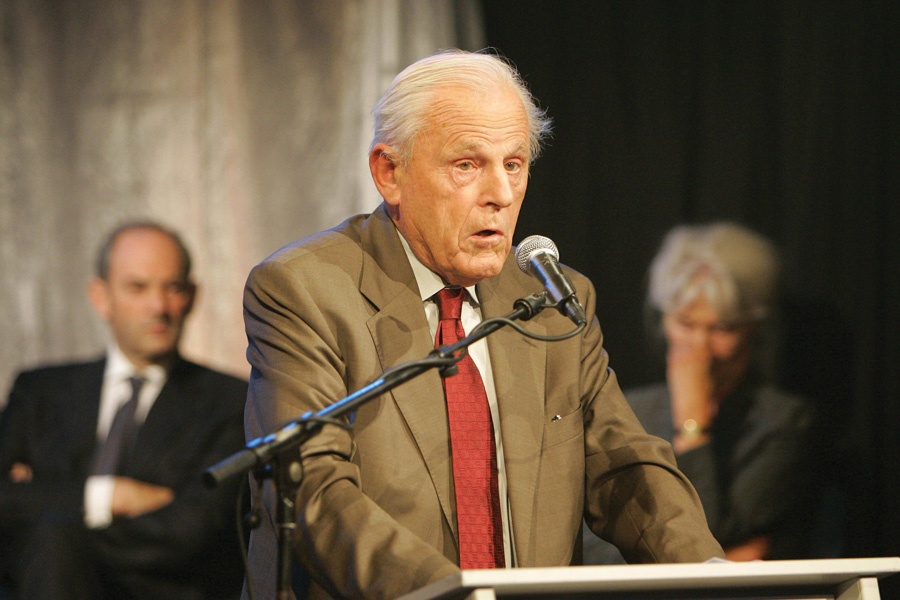
I have spent time assembling the threads that make up the life of Johan Van Gogh. The portrait that emerges is not of a single vivid stroke but of many careful ones. Johan was born on 26 March 1922 in Amsterdam and he died on 21 February 2019. He belongs to a line of people who turned grief into guardianship and private holdings into public treasure. In my telling I trace family ties, public roles, and the tightrope between private sorrow and public duty. I write as someone mapping a lineage and trying to listen to the quiet decisions behind museums and reputations.
Family and personal relationships
Family in the Van Gogh story is concentric. At the center sits the 19th century drama of the painter Vincent and his brother Theo. Johan is a later link in that chain. He is a son of Vincent Willem van Gogh and Josina Wibaut van Gogh. He is the father of the film maker Theodoor – known widely as Theo van Gogh, who was born in 1957 and died on 2 November 2004. Johan is a grandfather to Lieuwe van Gogh, who has carried creative energy into a new generation.
I find that a table helps me see the web at a glance.
| Relationship | Name | Born – Died | Note |
|---|---|---|---|
| Father | Vincent Willem van Gogh | 31 January 1890 – 1970s | Architect of the Foundation that stewarded the collection |
| Mother | Josina Wibaut van Gogh | 1890 – 1933 | Member of the Wibaut family |
| Son | Theodoor “Theo” van Gogh | 1957 – 2 Nov 2004 | Film director and public figure |
| Grandson | Lieuwe van Gogh | c. 1990s – | Contemporary artist |
| Grandparents | Theo van Gogh and Johanna van Gogh-Bonger | 19th – 20th centuries | The keepers who preserved Vincent’s work and letters |
Those rows do not encompass every cousin, aunt, or niece. They do, however, mark the nodes that mattered most in public accounts. Family was often the mechanism by which art moved from private walls into museums. Many of the choices that defined the Van Gogh Museum and the Vincent van Gogh Foundation were family conversations. Johan lived inside those conversations. He carried forward a custodial instinct.
Career and stewardship of the collection
Johan seems like a memory administrator to me. Throughout his professional life, he worked in Dutch domestic intelligence, which deepened his appreciation for subtlety. He later joined the Vincent van Gogh Foundation in a formal capacity. Before stepping down in 1995, he served as the Foundation’s chairman for about eleven years. The transition from the quiet of intelligence operations to the carefully manicured quiet of a museum gallery is remarkable.
The narrative is anchored by numbers. The family incorporated holdings into a formal agreement in 1962, which included a sizable payout to the family at the time. In addition to easing tax and inheritance pressures that may have otherwise compelled sales, the arrangement allowed the collection to transition into public control. Historical accounts frequently mention 15 million guilders as the transaction amount at the time. On the open market today, each large painting would fetch millions of euros, and the total would probably reach hundreds of millions or more.
Finance and decisions that shaped public culture
The 1962 arrangement is what I prefer to think of as a turning point. Public access was made possible by a family decision that was pragmatic, hard, and imaginative. That generational leadership included Johan. He possessed the moral and legal authority that families transfer when they transform their private heritage into public heritage.
The whole narrative cannot be found in any financial ledger. One axis is money. The second is trust—between relatives, between descendants, and between the state and the family. As the Van Gogh Museum’s institutional framework developed, Johan assisted in maintaining that confidence. That accomplishment—millions of people, hundreds of exhibitions, and international acknowledgment of Vincent’s work—is assessed more in terms of access than in monetary terms.
Recent mentions and the living family
Johan passed in 2019, but the family continues to appear in museum narratives and occasional public discourse. Younger family members attend openings, speak with curators, and in some cases make their own art. They are visible in press photography and on cultural program lists. The family line is now multigenerational – a set of concentric circles moving outward, each ring carrying the weight and the light of Vincent van Gogh’s name.
Extended timeline
- 26 March 1922 – Johan Van Gogh born in Amsterdam.
- 1940s – Post-war period; family and national recovery. Johan served in Dutch domestic intelligence in the post-war decades.
- 1962 – Major family arrangement to place the collection in the Vincent van Gogh Foundation. Payment figure cited at the time: 15 million guilders.
- 1957 – Birth of Johan’s son Theodoor.
- 2 November 2004 – Theodoor “Theo” van Gogh murdered in Amsterdam. The event rippled through politics and media and reshaped public conversations about free expression.
- 1995 – Johan resigned as chair of the Foundation after about eleven years in leadership.
- 21 February 2019 – Johan Van Gogh died at age 96.
FAQ
Who was Johan Van Gogh in relation to the painter Vincent van Gogh?
I see Johan as a descendant in the line that began with Theo van Gogh, the brother and dealer who preserved Vincent’s letters and works. Johan is several generations removed from Vincent but close in the family sense. The family continuity mattered more than the exact genealogical label.
What role did Johan play in the Vincent van Gogh Foundation?
I would describe Johan as a steward. He chaired the Foundation for years. He helped enact and uphold the legal and institutional framework that allowed the collection to be cared for in a public museum.
Did Johan have a career outside the family legacy?
Yes. He worked in the Dutch domestic intelligence service for much of his professional life. That experience explains, in part, his preference for discretion and careful stewardship.
How did family finances affect the museum?
The family made a large financial arrangement in 1962, often quoted as 15 million guilders, to formalize the Foundation and structure the transfer of works. The deal prevented forced sales and enabled a public museum to develop.
Who are Johan Van Gogh’s descendants today?
His best known descendant is his son Theodoor – the filmmaker who was born in 1957 and who died in 2004. Johan’s grandson Lieuwe is active as an artist. The family continues to appear in cultural life, though with a quieter profile than the painter himself.
Was Johan publicly visible late in life?
He was visible mostly as a family representative at times of importance – when archives were accessed, when exhibitions opened, when family matters intersected with public memory. He preferred responsibility to spectacle.
What is the single thread I should remember about Johan Van Gogh?
For me the clearest thread is stewardship. Johan operated where private grief meets public culture. He helped transform a familial inheritance into a public trust that millions of people now visit each year.