Early life and the shape of a childhood
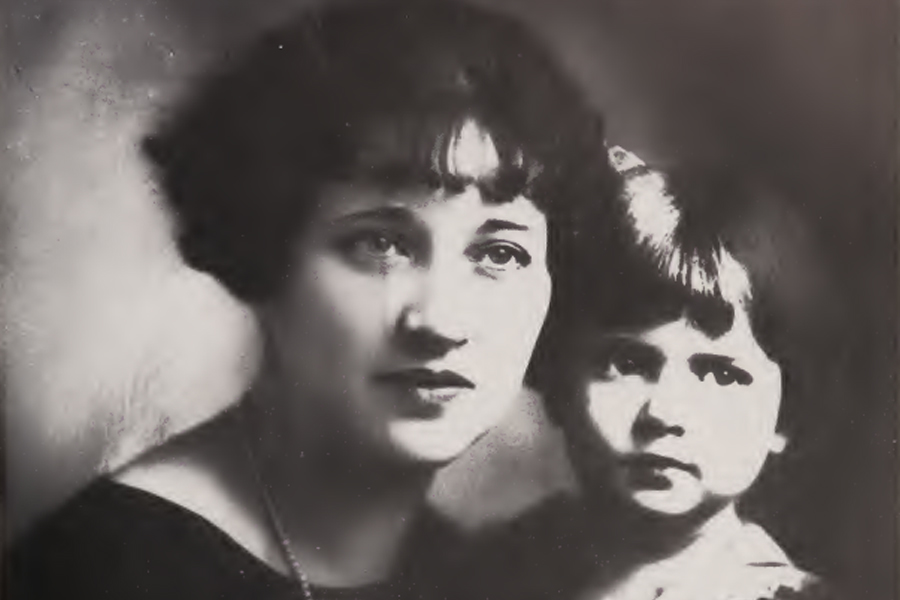
Mildred Frances Cowan came from small communities, a family that migrated with the weather and economy, and an endurance-training youth. She was born in the early 1900s and raised amidst rural America’s turmoil. Numbers evoke her 1904 society, where young women married before 20 and employment was concrete rather than abstract goal. She had a child at 16 or 17. Her early years shaped her: thrift, hard work, and a toughness that shows in every photo.
Birthplace and early geography
Wallace, Idaho
Wallace became the name on the certificate that mattered. It was a remote kind of place then, a mining town carved into steep hills where families held fast to one another. Relocations followed – whispers of Arkansas and other western stops – but the Wallace record is the anchor most often used when people trace the beginning of her maternal life. She carried with her the map of those places like a seam in a shirt: visible, worn, functional.
Family and personal relationships
I will introduce the people closest to her as if arranging portraits on a wall. Each name is a face, a story, a chain of cause and consequence.
John Virgil Madison Turner
John Virgil Madison Turner was her husband and the father of their child. He worked in mining and small business. Their marriage was early and intense. The violent end to his life in December 1930 in an urban setting broke the household and forced Mildred into the role of sole provider. That single fatal date altered calculations for decades afterward.
Lana Turner
Lana Turner was her daughter and later a household name across America. Born in February 1921, Lana moved from precarious childhood circumstances into the spotlight of studio publicity. I see Mildred in the background of those spotlit frames: the mother who worked as a beautician to keep the lights on, who attended events, who was sometimes photographed on the edge of glamour. The mother-daughter dynamic shaped both their lives – one rising on the silver screen while the other kept the home fires going.
Cheryl Crane
Cheryl Crane is the granddaughter whose life intersects with headline moments in the family story. Her actions in April 1958 became a pivotal, traumatic chapter for the family. She later spoke and wrote in ways that cast new light on family dynamics, describing fear, protection, and the burden of public scrutiny.
Arthur Cowan
Arthur Cowan is the paternal figure in genealogical memory. He appears in family records as the head of a migrating branch of the Cowan family. His role is the kind of ordinary presence that nevertheless sets the platform for the next generation.
Julia Ann Cullum
Julia Ann Cullum is Mildred’s maternal anchor in the family ledger. Her life was shorter than some of the others, but her name persists on family lists and in the oral histories that the family passed down.
Career, finances, and the work that sustained the family
I imagine Mildred at a basin or chair in a small salon in the morning light. She modeled in local fashion shows and worked 60–80 hours a week as a beautician. Her life’s recorded jobs are accurate and quantitative. Their glamour is lacking. Hourly earnings, tips, and repetition read as labor. Scarcity affected the home. Foster care and temporary housing were sensible budget solutions. She has no well-known company or real estate empire. Her balance sheet resembles many ladies who sweated and patiently maintained families.
A timeline of key moments
| Date | Event |
|---|---|
| 12 February 1904 (approximate) | Birth of Mildred Frances Cowan |
| 8 February 1921 | Birth of daughter Julia Jean, who later became Lana Turner |
| 1920s | Marriage to John Virgil Madison Turner and family relocations |
| 14 December 1930 | Murder of John Virgil Madison Turner |
| 1930s to 1950s | Work as beautician and public appearances with her daughter |
| 4 April 1958 | Family crisis involving Cheryl Crane |
| 22 February 1982 (recorded by many family registries) | Mildred’s recorded passing |
Numbers clarify the arc. Dates like 1930 and 1958 become lodestars of change. They are not merely marks on a calendar. They are shutters opening on new acts.
The shape of the household in micro detail
I will note specifics. One child. Several moves. One sudden homicide that emptied the male presence from the home. One profession repeated across decades: beautician. One string of public photographs in which she appears beside her daughter. These micro details matter because they add texture. She is not a headline; she is a practical person who carried practical burdens.
Public moments and private weather
I have thought of Mildred as a weather system. The public moments were like storms: a murder, a court proceeding, an event that drew cameras. The private weather was steady: work on weekdays, mending socks, scheduling appointments, and managing public relations when the press gathered around her daughter. The two kinds of weather collided with force and nuance.
FAQ
Who were Mildred Frances Cowan’s closest family members?
Her immediate circle was compact. Her husband was John Virgil Madison Turner. Her daughter was Lana Turner. Her granddaughter was Cheryl Crane. Her parents were Arthur Cowan and Julia Ann Cullum. Each occupied a distinct position in the household ledger and in the narrative weight of the family story.
What work did she perform to support the family?
She worked primarily as a beautician, often taking long shifts to support her daughter. She also modeled locally on occasion and served as a public family presence when events required. Her financial life reflected steady labor rather than assets or investments.
What major events altered her life?
The murder of her husband in December 1930 was the most immediate fracture. Another critical episode arrived in April 1958 when the family faced a violent scandal that attracted intense public attention. Those dates redirected daily life and forced practical choices about shelter, income, and privacy.
Where did she live and where did she die?
Her life moved through small western towns and urban outposts. Wallace, Idaho connects to the earliest recorded facts about her family life. Later addresses and residences shifted as work and family needs required. Records in family registries list Honolulu as the place associated with her passing on 22 February 1982.
How did she influence the career of her daughter?
She provided the household stability that allowed her daughter to pursue work outside the home. I see her practical contributions as scaffolding: paying bills, arranging schedules, and appearing at events when needed. That kind of support is rarely dramatic but often decisive.
Are there financial records that show estate or wealth?
No widely circulated records attribute significant wealth to her name. Her financial story is one of labor, not investment.
What was the family dynamic after the murder of John Virgil Madison Turner?
The family dynamic shifted to a single-adult household where Mildred bore the responsibilities of income and childcare. The household took pragmatic measures including temporary foster placements and relocations tied to work or health concerns.
How is she remembered within the family narrative?
She is remembered as the steady hand. In photographs she is often at the edge of the frame while the spotlight finds another face. Yet she is present in the archive of family memory, and her life anchors the story of a daughter who became famous and a granddaughter whose life intersected with tragedy.